Holika Dahan
Holika Dahan
Holika Dahan: A Celebration of Victory and Renewal
Every year, millions of people across India and around the world come together to celebrate Holi, the festival of colors, joy, and the arrival of spring. However, before the colors fill the air and the festivities take over, a significant ritual takes place — Holika Dahan. This ritual is not just a cultural tradition, but a symbolic event that marks the triumph of good over evil and the arrival of new beginnings.
What is Holika Dahan?
Holika Dahan, also known as the "burning of Holika," is a fire ritual performed on the night before Holi. It takes place on the full moon day in the Hindu month of Phalguna, usually in March. The central event of Holika Dahan involves lighting a large bonfire, which signifies the burning away of evil, negativity, and past wrongdoings. This act is steeped in rich mythology and symbolic meaning, heralding a sense of spiritual cleansing and renewal.
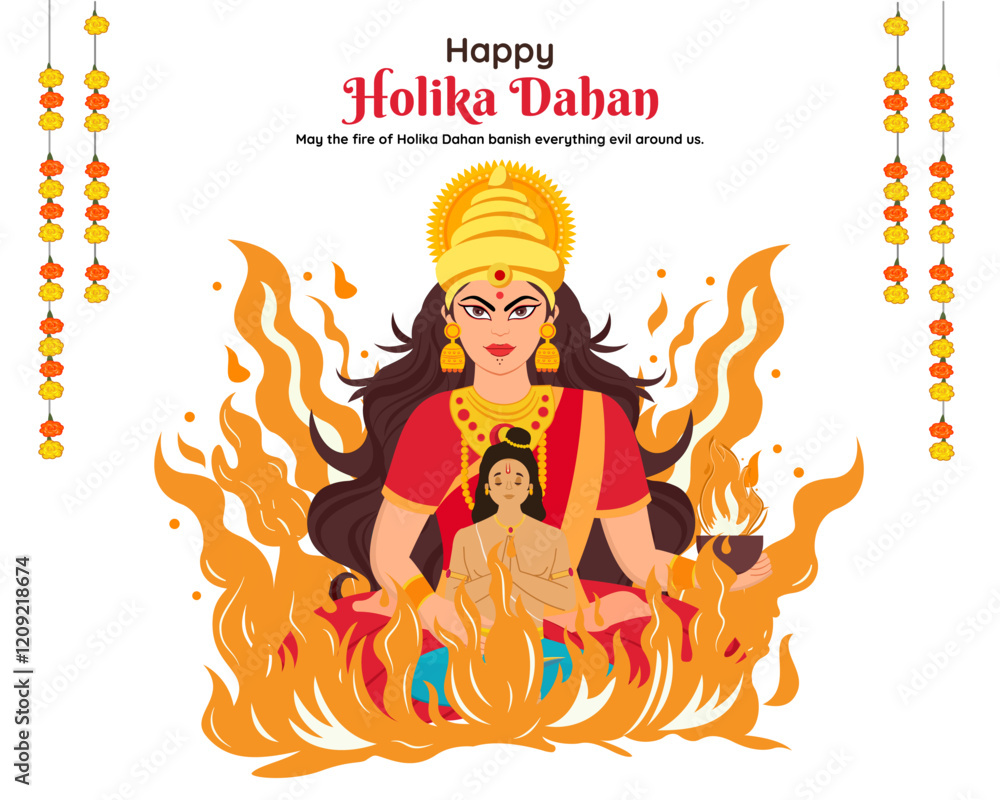
The Mythological Significance
The origins of Holika Dahan lie in Hindu mythology, with the most popular story being that of Prahlad and Holika.
Prahlad was a devoted follower of Lord Vishnu, but his father, the demon king Hiranyakashipu, was a tyrant who despised Vishnu. Hiranyakashipu tried to force Prahlad to renounce his faith, but the young boy remained steadfast. Furious with his son’s unwavering devotion, Hiranyakashipu sought the help of his sister, Holika, who had a magical boon that made her immune to fire.
Holika tricked Prahlad into sitting on her lap in a fire, believing that the flames would not harm her. However, the plan backfired. While Holika was burned to ashes, Prahlad, protected by his devotion to Lord Vishnu, emerged unscathed. This victory over evil is celebrated every year through the ritual of Holika Dahan, symbolizing the destruction of evil forces and the triumph of good.
The Ritual of Holika Dahan
The ritual begins with the gathering of people around a large bonfire, often made of wood, dried leaves, and other materials. The bonfire is lit with great enthusiasm, accompanied by chants and prayers. People walk around the fire, singing devotional songs, and sometimes, they even throw coconuts, sesame seeds, or grains into the fire, symbolizing the offering of bad habits or past mistakes to be burned away.
The act of circling the fire is believed to purify the body and soul, allowing participants to emerge from the ritual renewed and cleansed of all negative energy. The fire also signifies the burning away of obstacles and the clearing of the path for new opportunities, growth, and happiness.
Symbolism and Spiritual Significance
Holika Dahan represents more than just a ceremonial burning of materials; it carries deep symbolism. Here’s what it represents:
-
Good Over Evil: The story of Prahlad and Holika teaches that no matter how powerful the forces of evil may seem, goodness and faith will always prevail in the end.
-
Spiritual Purification: The fire acts as a purifying agent, burning away negative thoughts, past sins, and harmful influences in life. It’s an opportunity to let go of grudges, anger, and resentment.
-
Renewal and Rebirth: Just as the earth renews itself with the coming of spring, Holika Dahan symbolizes personal transformation. It marks the end of old, unproductive ways and the beginning of a fresh, optimistic phase in life.
-
Unity and Community: The communal aspect of the ritual brings people together, fostering a sense of togetherness. Families, neighbors, and friends gather around the bonfire to share in the spiritual experience, strengthening bonds of love and camaraderie.
Holika Dahan and Environmental Awareness
In recent years, there has been a growing awareness of environmental concerns related to festivals. While Holika Dahan has traditionally involved burning large piles of wood and other materials, many communities have moved towards more eco-friendly practices. Some people now opt for using natural materials like cow dung or biodegradable items for the bonfire. In some regions, people are also advocating for the use of community bonfires instead of personal ones, to reduce pollution and minimize the carbon footprint.
Conclusion: A Time for Reflection and Celebration
Holika Dahan is a beautiful blend of mythology, spirituality, and community. It is a reminder of the eternal battle between good and evil and the triumph of righteousness. As the fire burns bright, it illuminates the path toward a new beginning, free from negativity, and filled with hope and joy. It is a time for personal reflection, spiritual renewal, and, of course, community celebration.
As we prepare for the colorful festivities of Holi, let us first embrace the symbolism of Holika Dahan — shedding old fears, doubts, and grievances, and stepping into a new season with positivity and an open heart.
Images:


Comments
Post a Comment